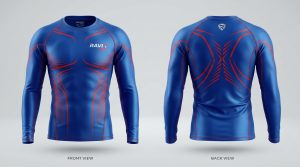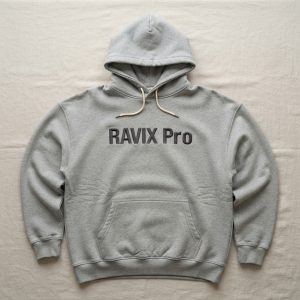

Quick answer: Polyester and polyester-spandex knits suit most sportswear because they are light, quick-drying and take sublimation; cotton fleece and jersey suit casual and streetwear pieces.
Fabric decides how a garment feels, performs and lasts, and it is the biggest single part of your cost. Buyers often know the look they want but not the fabric name to ask for. This guide matches common sportswear fabrics to the garments they suit best.
Quick answer
Polyester interlock and mesh suit jerseys; polyester-spandex suits sublimated activewear and rash guards; nylon-spandex suits premium leggings and sports bras; cotton or cotton-poly fleece and French terry suit hoodies and joggers; piqué suits polos; polyester satin suits boxing and Muay Thai shorts; ripstop and twill suit gi trousers and workwear; recycled polyester suits sustainability-focused ranges.
Fabric-by-fabric guide
| Fabric | Properties | Best for |
|---|---|---|
| Polyester interlock | Smooth, stable, prints brilliantly | Football, rugby and cricket jerseys |
| Polyester mesh / pin-dot mesh | Very breathable | Basketball jerseys, panels, linings |
| Polyester-spandex (4-way stretch) | Stretch, quick-dry, sublimation-friendly | Rash guards, compression, printed leggings |
| Nylon-spandex | Soft “buttery” feel, strong recovery | Premium leggings, sports bras |
| Cotton / cotton-poly fleece | Warm, soft brushed inside | Hoodies, sweatshirts, joggers |
| French terry | Looped inside, breathable | Premium streetwear hoodies |
| Performance polyester fleece | Warm, light, quick-dry | Training tops, quarter-zips |
| Piqué knit | Textured, structured | Polo shirts, work polos |
| Polyester satin | Shiny, light | Boxing and Muay Thai shorts |
| Ripstop / twill | Tear-resistant | Gi trousers, workwear, cargo pants |
| Recycled polyester (GRS) | Made from recycled bottles | Eco-focused ranges |
| Hi-vis fluorescent fabric | High visibility, with reflective tape | Safety workwear |
What “moisture-wicking” really means
Moisture-wicking fabrics move sweat from the skin to the outer surface where it evaporates. Most polyester and nylon performance knits do this naturally; some are treated for extra wicking. Cotton absorbs sweat and stays wet, which is why it suits lifestyle wear more than training.
Choosing fabric for your order
- Start from the use: match, training, gym, lifestyle.
- Choose the fabric family from the table.
- Set the weight using our GSM chart.
- Ask for swatches before sampling.
Related: what is GSM, sustainable clothing, private label activewear.
From our factory floor in Daska, Sialkot
At Ravix Pro Industry we have manufactured sportswear and clothing since 2008. Design, pattern making, cutting, stitching, sublimation, screen printing, DTF, embroidery, quality control and packing all happen under one roof, so we control colour, fit and timing ourselves. Our advice in this guide comes from what we see on real orders every week: the questions buyers ask, the mistakes that delay production, and the details that make a sample match bulk.
Ready to start? Request a free quote or message us on WhatsApp with your design, quantity and sizes. MOQ from 30 pieces per design. We reply within 24 hours.
FAQs
What is the best fabric for sportswear?
Polyester and polyester-spandex blends are the most common because they are light, quick-drying and print well.
Is nylon or polyester better for leggings?
Nylon-spandex feels softer and more premium; polyester-spandex is better value and better for sublimated prints.
Can you make sportswear from recycled polyester?
Yes. Recycled polyester options are available, usually with a longer lead time.
Can I get fabric swatches?
Yes. We send swatches so you can feel fabrics before the sample.
Sources
- Ravix Pro Industry fabric sourcing, 2008–2026.