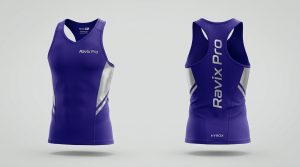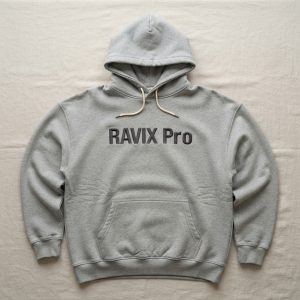

GSM stands for grams per square metre. It is the weight of one square metre of fabric. GSM is the quickest way to compare how thick, heavy and durable a fabric is, so it is one of the first questions to ask when you order custom clothing.
Building a clothing or sportswear brand? Ravix Pro Industry is a sportswear and apparel manufacturer in Sialkot, Pakistan, offering OEM and private label manufacturing for clothing brands: product development, samples, custom labels and packaging, and consistent bulk production, certified WRAP, BSCI, OEKO-TEX and ISO 9001. MOQ 30 pieces per design. Private label · OEM manufacturing · Get a free quote.
Part of our guide: Fabrics for Sportswear and Clothing · Quick answers
Why GSM matters
- Feel: higher GSM usually feels thicker and more premium.
- Durability: heavier fabrics generally hold their shape longer.
- Breathability: lighter fabrics are cooler for sports and summer.
- Price: more fabric weight means higher fabric cost.
GSM is not the only factor. Yarn quality, knit type and finishing also change how a fabric performs, so always ask for a swatch or sample.
Recommended GSM by product
| Product | Typical GSM | Notes |
|---|---|---|
| Sports jerseys and team kits | 130–160 | Light polyester mesh for sublimation and breathability |
| Running and training tops | 120–180 | Quick-dry performance knit |
| Standard t-shirts | 160–200 | Everyday cotton jersey |
| Heavyweight streetwear tees | 220–300 | Boxy, structured fit; see our heavyweight tees |
| Leggings and activewear sets | 220–280 | Nylon or polyester with spandex for squat-proof stretch |
| Rash guards | 200–240 | Compression polyester-spandex |
| Hoodies and sweatshirts | 320–450 | Brushed-back fleece; 400+ feels premium |
GSM vs oz
Some US suppliers use ounces per square yard instead of GSM. As a rough guide, 1 oz per square yard is about 34 GSM, so a 6 oz tee is around 200 GSM.
How to choose the right GSM for your brand
- Think about your customer. Streetwear buyers often want heavy, structured pieces; athletes want light and breathable.
- Think about the season and climate. A 450 GSM hoodie is great for winter in the UK, too warm for summer in Texas.
- Think about decoration. Sublimation needs polyester; screen print and puff print work well on cotton.
- Order a sample in two weights if you are unsure, and compare them side by side.
Our fabric options
We stock and source cotton jersey, French terry, fleece, polyester mesh, interlock, nylon-spandex and more, with GSM matched to your product and budget. Our online designer shows fabric and GSM options for each garment.
Request a free quote or message us on WhatsApp with your design, quantity and sizes. We reply within 24 hours.
For t-shirts specifically, see best fabric and GSM for t-shirts.
Read next: Sportswear Fabric Guide: Polyester, Mesh, Spandex, Fleece and More
GSM chart by garment
| Garment | Typical fabric | Typical GSM |
|---|---|---|
| Football / soccer jersey | Polyester interlock or mesh | 120–160 |
| Basketball jersey | Polyester mesh | 130–170 |
| Running singlet | Lightweight polyester | 100–140 |
| Compression top | Polyester- or nylon-spandex | 180–240 |
| Leggings | Nylon- or polyester-spandex | 220–300 |
| Sports bra | Nylon-spandex + power mesh lining | 220–280 |
| T-shirt | Cotton or cotton-poly jersey | 160–220 (heavyweight 240–300) |
| Polo shirt | Piqué knit | 180–240 |
| Hoodie / sweatshirt | Fleece or French terry | 280–400 (heavyweight 400–500) |
| Tracksuit | Polyester tricot or fleece | 240–320 |
| Rash guard | Polyester-spandex | 160–220 |
| MMA / fight shorts | Polyester-spandex or satin | 160–220 |
| BJJ gi jacket | Pearl or single weave cotton | about 350–550 |
These are typical ranges we use in production; your best GSM depends on sport, climate and price point.
Specifying GSM in your tech pack
Write fabric composition and GSM together, for example “88% polyester / 12% spandex, 240 GSM”. Ask for a fabric swatch before sampling. Read what is GSM in fabric and how to make a tech pack.
Choosing GSM by Season and Climate
| Season or market | Tees | Hoodies | Jerseys |
|---|---|---|---|
| Hot climates and summer | 160–220 | 280–320 | 120–140 |
| All-year ranges | 200–240 | 320–400 | 130–160 |
| Cold climates and winter | 240–300 | 400–500 | 140–170 with long sleeves |
GSM and Decoration
- Sublimation: works best on lighter polyester (about 120–220 GSM) where the print stays bright
- Screen and puff print: heavier cotton holds large prints without distortion
- Embroidery: very light fabrics can pucker; add backing or choose a heavier fabric
Common GSM Mistakes
- Choosing leggings fabric that is too light, which becomes see-through in squats
- Making team jerseys too heavy, so they hold sweat and feel hot
- Comparing quotes with different GSM, so the cheaper one is not really cheaper
- Not writing GSM tolerance in the tech pack
New to GSM? Start with our guide what is GSM in fabric.
FAQs
Is higher GSM always better?
No. Higher GSM is heavier and warmer. For sportswear, a lighter GSM is usually better.
What GSM is a premium hoodie?
Most premium streetwear hoodies are 380–450 GSM brushed fleece.
What GSM should a heavyweight t-shirt be?
Around 220–300 GSM, usually 100% cotton.